A Lifetime Exploring The North York Moors
The North York Moors National Park has shaped my life for as long as I can remember. Having grown up on the edge of the National Park and spent part of my life living within it, I've explored these landscapes since childhood. Long before I became a landscape photographer, I worked on family farms among the purple heather, walked through ancient woodlands, followed hidden rivers and waterfalls, and discovered the valleys, villages and coastline that make the North York Moors one of Britain's most remarkable national parks.
Living and working here gave me an understanding of the landscape that only comes from years of experience. I've watched spring bluebells bloom beneath Roseberry Topping, seen late summer transform the moors into a sea of purple heather and photographed snow-covered landscapes that look as though they've come straight from a storybook. Over the years I've also learned that no two visits are ever the same. The changing weather, shifting light, rolling mist and dramatic skies constantly transform the scenery, meaning the finest photographs often come from returning to the same location time and time again until everything comes together perfectly.
Over nearly twenty years of photography, I've built an extensive collection covering every corner of the National Park, from iconic landmarks such as Roseberry Topping, Sutton Bank, Hole of Horcum, Danby Beacon and Boulby Cliffs to picturesque villages including Goathland, Lealholm, Danby, Hutton-le-Hole, Fryupdale and Thornton-le-Dale. This guide brings together many of my favourite locations, practical photography advice and local knowledge gained from a lifetime of exploring the North York Moors. If these landscapes inspire you, you'll also find links throughout the guide to more detailed location pages and my collection of North York Moors prints, available as canvas prints, floating framed canvases, framed prints, mounted prints, fine art photo prints and panoramic wall art.
Photographing the North York Moors' Natural Landmarks
The North York Moors National Park is home to some of the most recognisable natural landmarks in England. From distinctive hills and dramatic escarpments to vast natural amphitheatres and towering sea cliffs, these iconic landscapes have inspired photographers, walkers and artists for generations. Every season transforms these locations, offering completely different photographic opportunities throughout the year.
Roseberry Topping
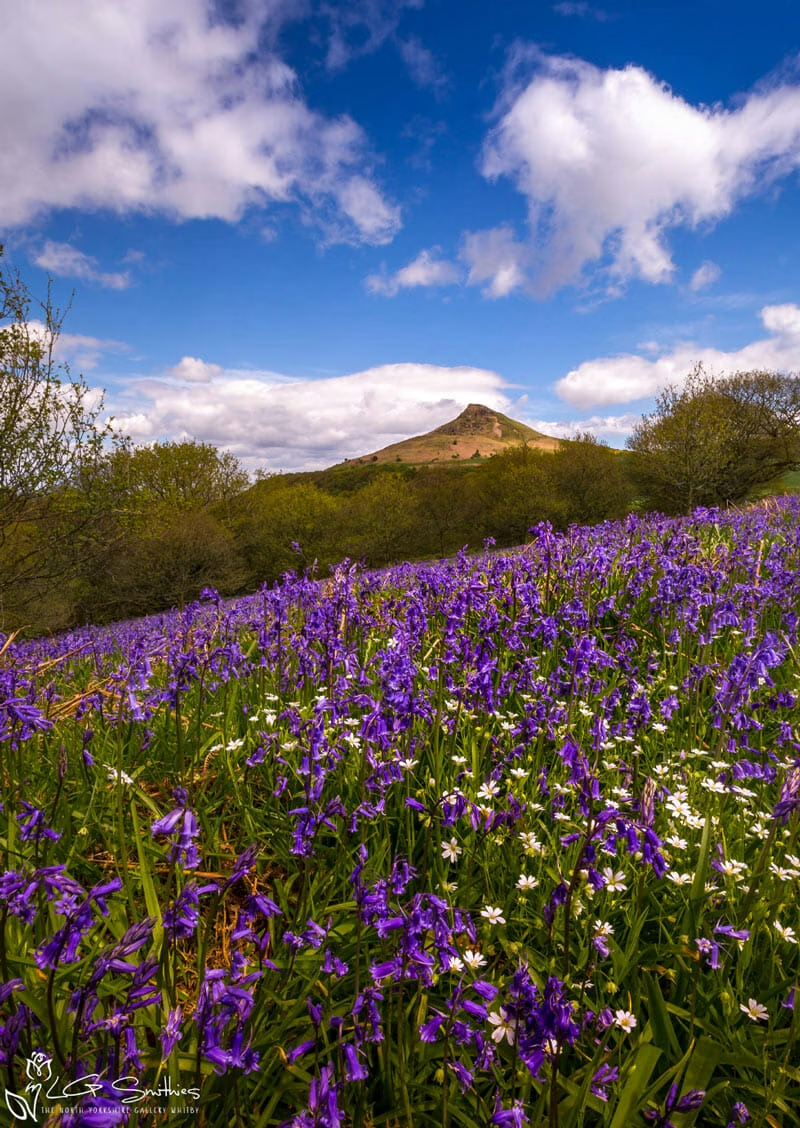
Roseberry Topping is undoubtedly the National Park's most recognisable landmark and one of my favourite places to photograph. Rising dramatically above the surrounding countryside, its distinctive profile has become a symbol of North Yorkshire. The hill's name can be traced back to the Old Norse name "Óðinn's berg", or "Odin's Hill", making it one of only a handful of places in England thought to retain a connection with the Norse god Odin.
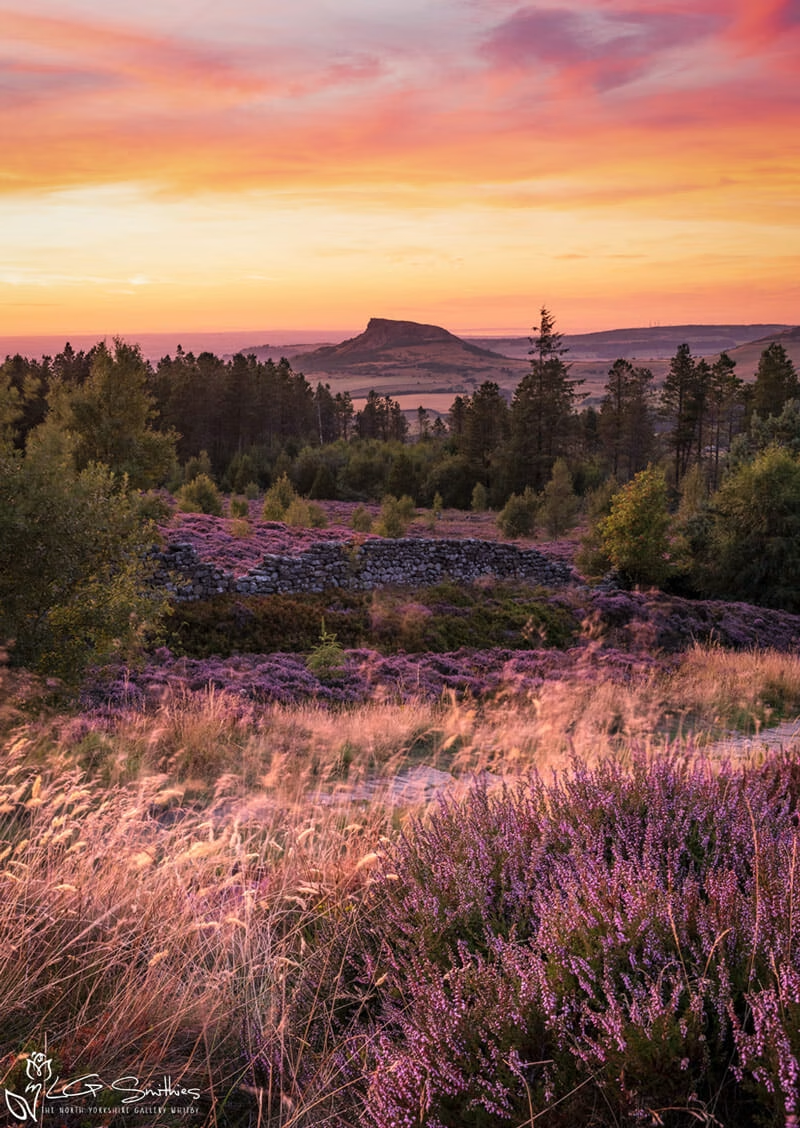
For photographers, Roseberry Topping is a destination that rewards patience. Having photographed it for many years, I've learned that the best images rarely come from a single visit. Instead, they come from returning throughout the seasons, waiting for the perfect combination of light and weather. In spring, the bluebells of nearby Newton Wood create one of Yorkshire's finest woodland displays. Summer brings rolling green farmland before the surrounding moorland erupts into vibrant purple as the heather reaches its peak. Autumn colours transform the woodlands beneath the hill, while winter snowfall can completely change the landscape, turning Roseberry Topping into one of the most dramatic sights in the National Park.
Sutton Bank
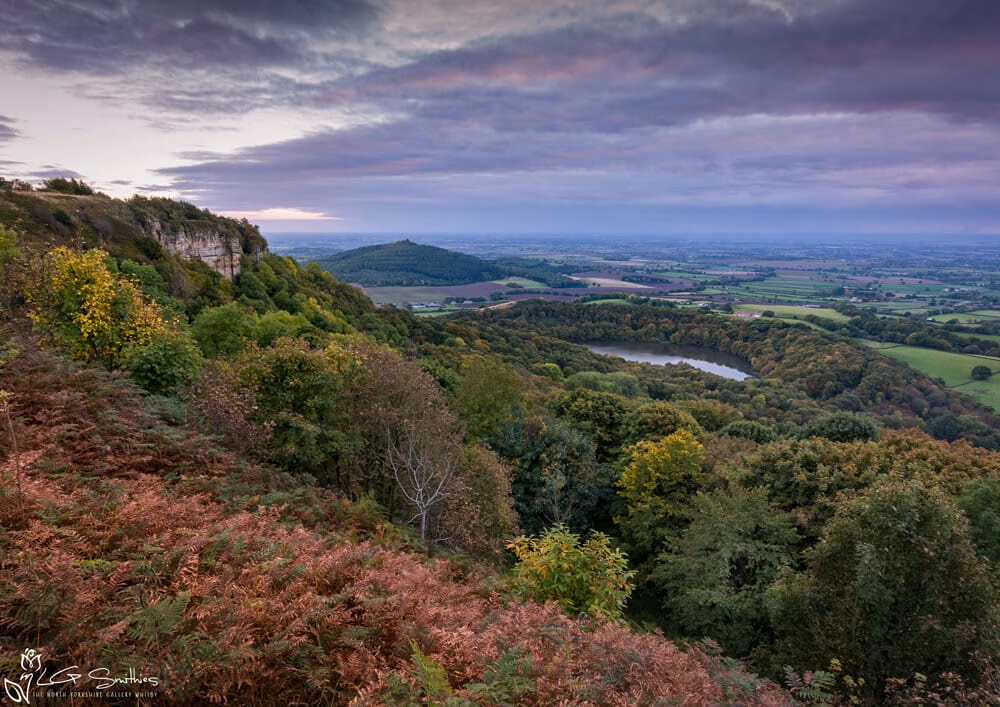
Further south, Sutton Bank offers an entirely different perspective. Its spectacular escarpment provides panoramic views across the Vale of York and the Vale of Mowbray, a vista famously described by James Herriot as "the finest view in England." Although breathtaking throughout the year, I find Sutton Bank particularly rewarding during autumn, when the surrounding woodland bursts into colour and the white limestone cliffs stand out against the rich seasonal landscape.
Hole of Horcum
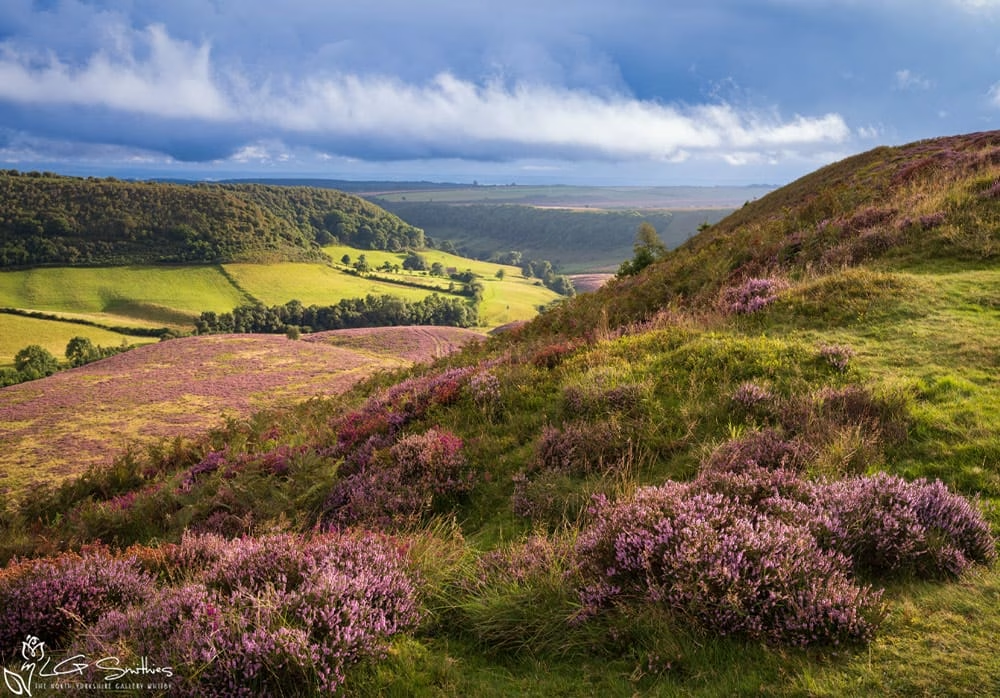
One of the National Park's most fascinating natural features is the Hole of Horcum. This enormous natural hollow stretches for almost a mile and is surrounded by sweeping moorland, making it one of the finest viewpoints in the North York Moors. According to local legend, it was created when Wade the Giant scooped up a huge handful of earth during an argument with his wife and hurled it across the landscape. In reality, it was formed naturally over thousands of years, but the legend adds another layer of character to this remarkable location.
Boulby Cliffs – The Doubles
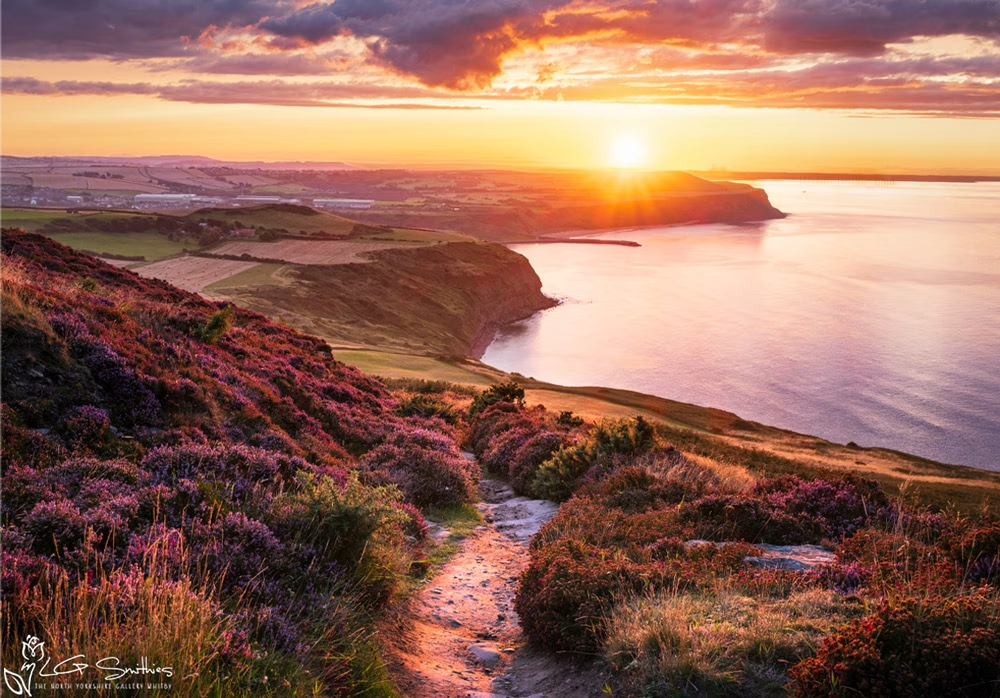
On the eastern edge of the National Park, the towering Boulby Cliffs provide an entirely different landscape. As the highest sea cliffs in England, they offer breathtaking views along the Yorkshire coast, particularly during late summer when the surrounding moorland is covered in flowering heather. As the evening sun begins to sink towards the horizon over the North Sea, the combination of rugged cliffs, purple moorland and warm golden light creates one of the most spectacular coastal photography locations anywhere in the North York Moor
These iconic natural landmarks are only a small part of what makes the North York Moors National Park such a rewarding place to photograph. Each has its own character, history and changing seasonal beauty, ensuring that no two visits are ever quite the same.
Photographing the Villages of the North York Moors
The villages of the North York Moors are every bit as rewarding to photograph as the famous moorland and coastline. Many have changed very little over the centuries, with traditional stone cottages, village greens, historic churches, dry stone walls and ancient bridges creating timeless scenes throughout the National Park. Every season brings something different, whether it's spring flowers, vibrant summer heather, rich autumn colours or snow-covered rooftops during winter.
Danby
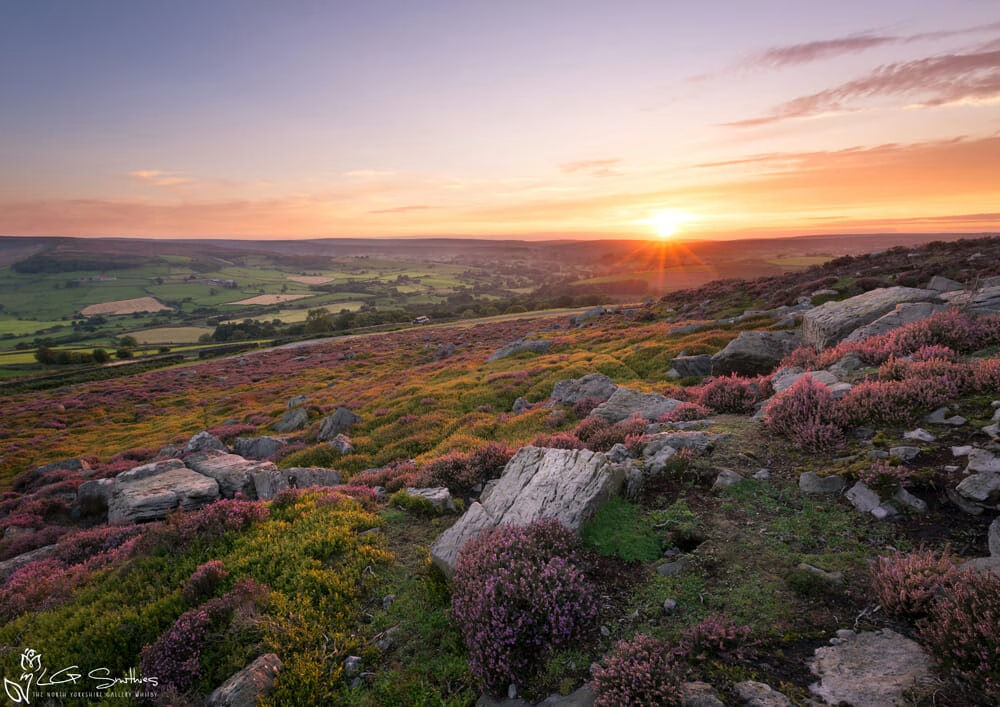
Danby is one of my favourite villages to photograph and somewhere that holds many happy childhood memories. I spent countless hours here fishing with my dad, and it remains a place I return to regularly with my camera. For me, Danby is at its very best when the surrounding moorland is covered in flowering heather and the warm evening light illuminates the village below. With the nearby North York Moors National Park Centre and Danby Beacon overlooking the valley, it perfectly captures the character of the National Park.
Lealholm
Lealholm is another village that means a great deal to me. As a child I spent many sunny days here with my cousins, swimming in the River Esk and enjoying long summer afternoons by the water. Today, I still enjoy photographing the beautiful stepping stones, the historic stone bridge and the picturesque village itself. It's a location that reflects the peaceful charm of the Esk Valley and offers fantastic photographic opportunities throughout the year.

Farndale
Farndale is perhaps best known for its spectacular display of wild daffodils each spring, when thousands of flowers transform the valley into one of Yorkshire's most celebrated seasonal landscapes. Later in the year, the surrounding moorland provides equally impressive scenes as the purple heather comes into bloom.
Fryupdale
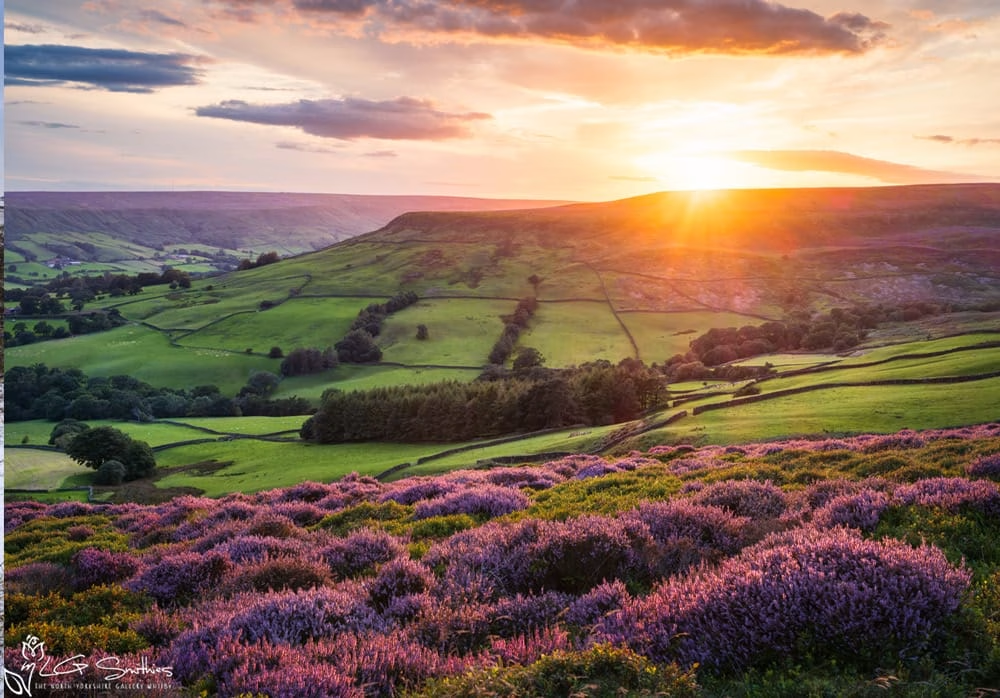
Fryupdale is another special place for me, with family connections stretching back many years. The valley is thought to take its name from the Old Norse words meaning "Freyja's Valley", linking it to the Norse goddess Freyja. Looking across the valley when the surrounding moorland is covered in purple heather creates one of the most beautiful and unmistakably North Yorkshire landscapes you'll find anywhere in the National Park.
Hutton Le Hole
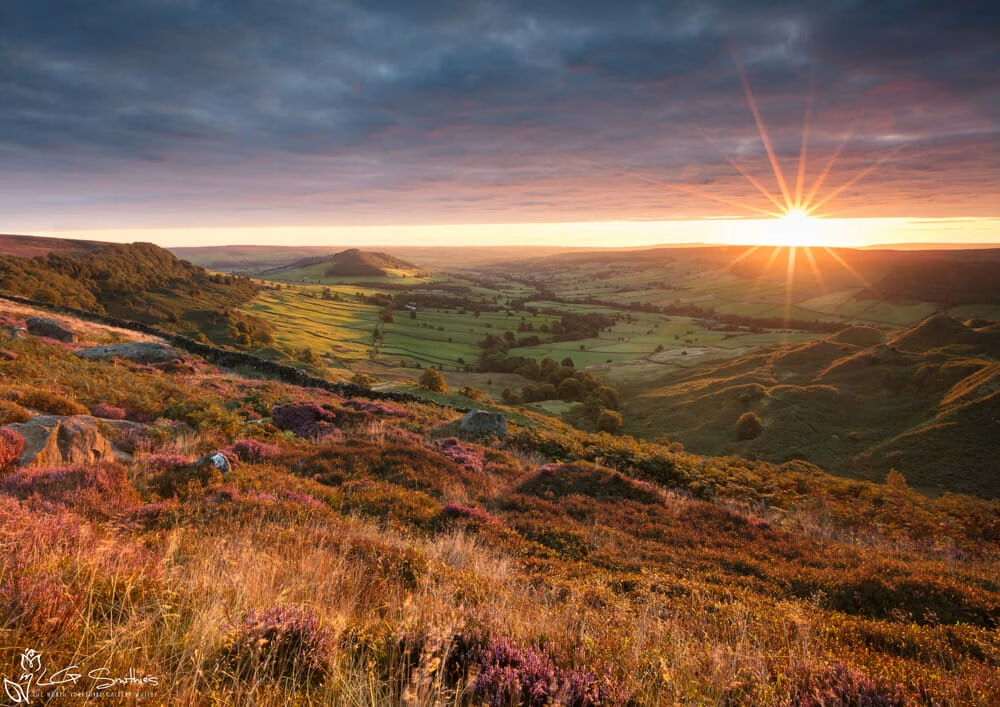
Hutton le Hole is one of the North York Moors' most photographed villages, famous for its wide village green where sheep still graze beside the beck. The combination of traditional cottages, the flowing stream, small waterfall and surrounding countryside makes it a wonderful location to photograph in every season

Thornton Le Dale
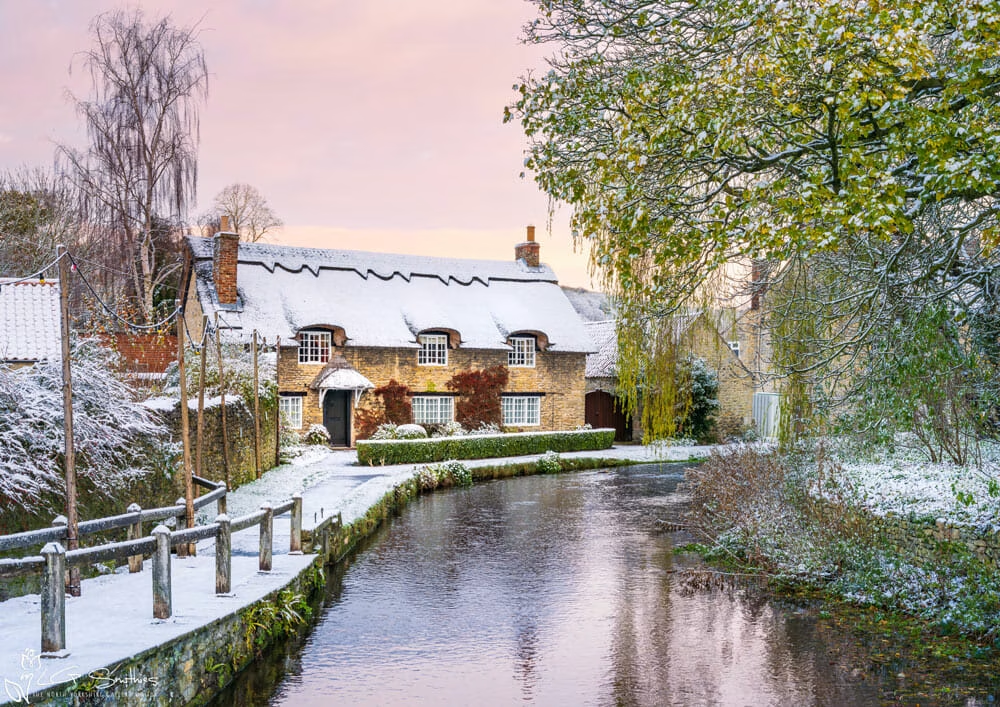
Thornton Le Dale is equally picturesque and is instantly recognisable by the famous Beck Isle Cottage. This beautiful thatched cottage has appeared in countless books, calendars, television programmes and advertisements, becoming one of Yorkshire's most iconic village scenes. Together with the village beck, stone bridge and surrounding woodland, it remains one of the finest photographic locations in the National Park.
What makes the villages of the North York Moors so special is their authenticity. Many retain the character they have had for centuries, and each season brings a different atmosphere and colour palette. Whether framed by spring blossom, summer heather, autumn leaves or winter snow, these villages continue to provide some of the most rewarding photography opportunities anywhere in Yorkshire.
Photographing the North York Moors Coastal Villages
One of the things that makes the North York Moors National Park so unique is that it meets the North Sea, creating one of Britain's most spectacular stretches of coastline. The dramatic cliffs, historic fishing villages, sandy beaches and ever-changing light make the North York Moors coast a paradise for photographers in every season. Having lived on the edge of both the National Park and the coast for most of my life, I've been fortunate enough to photograph these villages in all conditions, from blazing summer sunsets and colourful sunrises to winter snow, dramatic storms, moonrises and even the Northern Lights.
Whitby
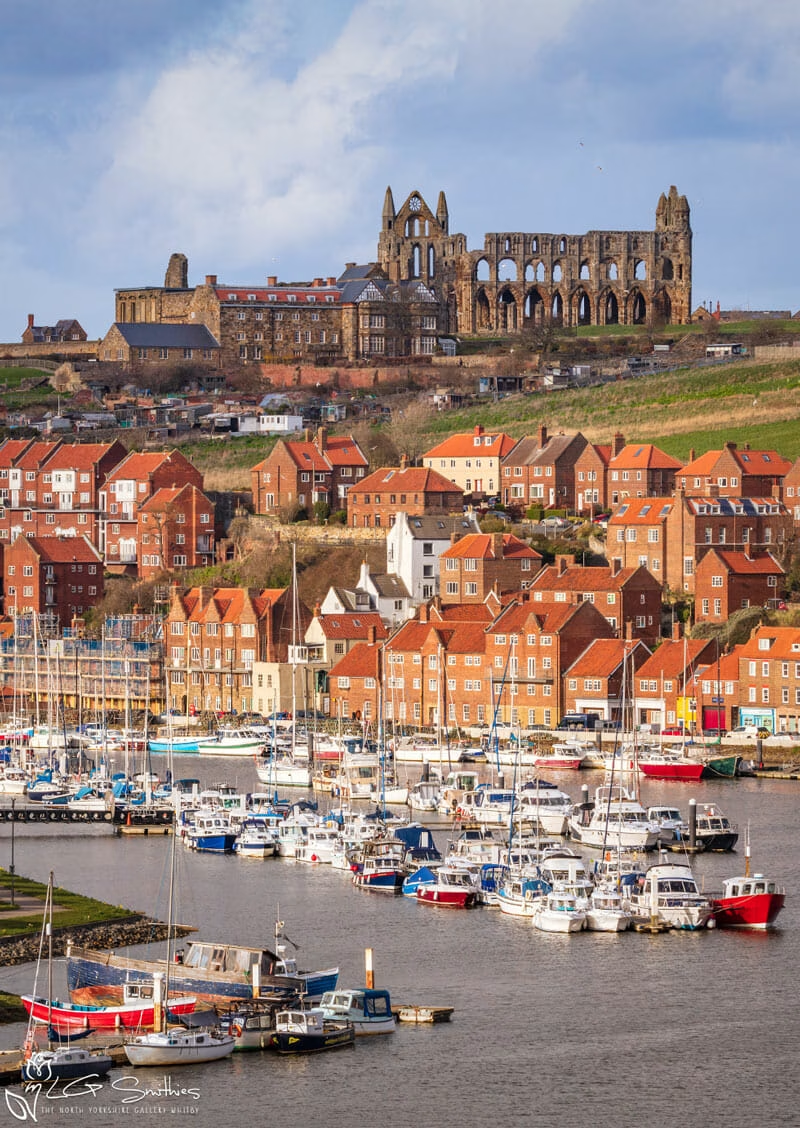
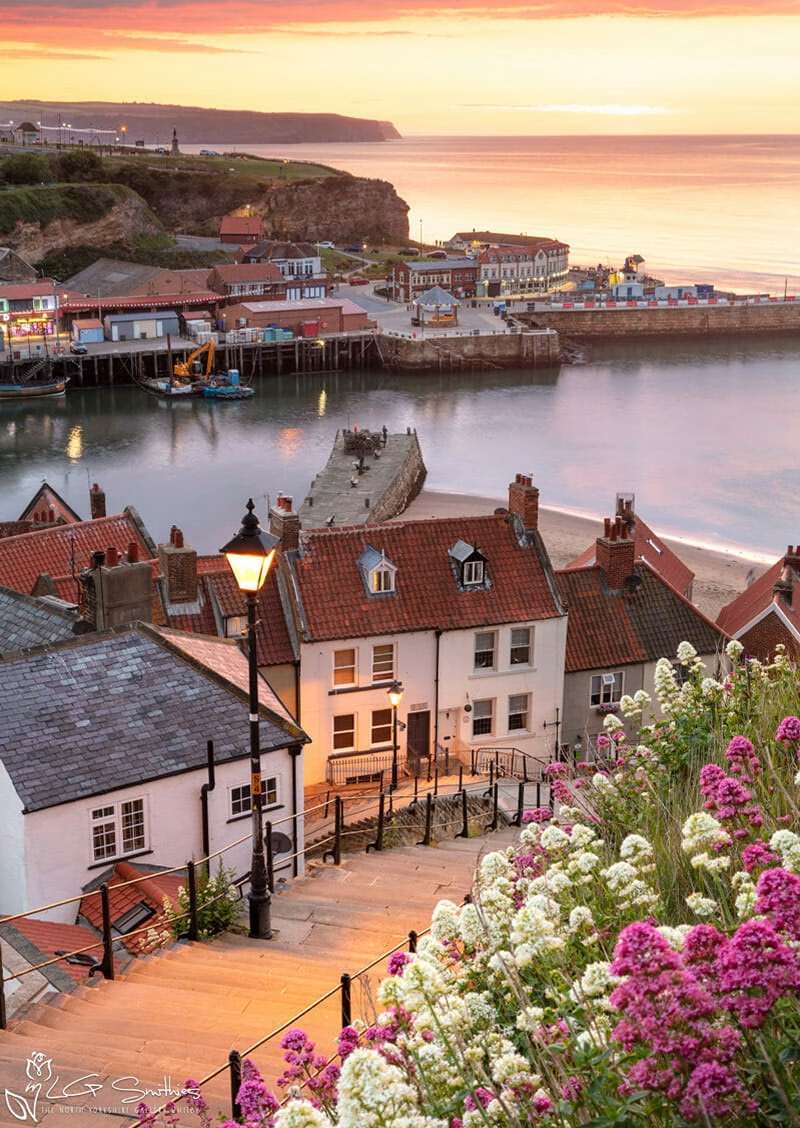
Whitby is undoubtedly the jewel in the crown of the North York Moors coast. Dominated by the magnificent ruins of Whitby Abbey, the famous 199 Steps and its historic harbour, it is one of the most recognisable and photographed towns anywhere in Yorkshire. The town's rich maritime history and its famous connection with Bram Stoker's Dracula make it an unforgettable place to visit. We're fortunate enough to have our gallery in Whitby, so we spend time here every day and never tire of photographing Whitby with its changing skies, beautiful harbour and historic streets.
Robin Hoods Bay
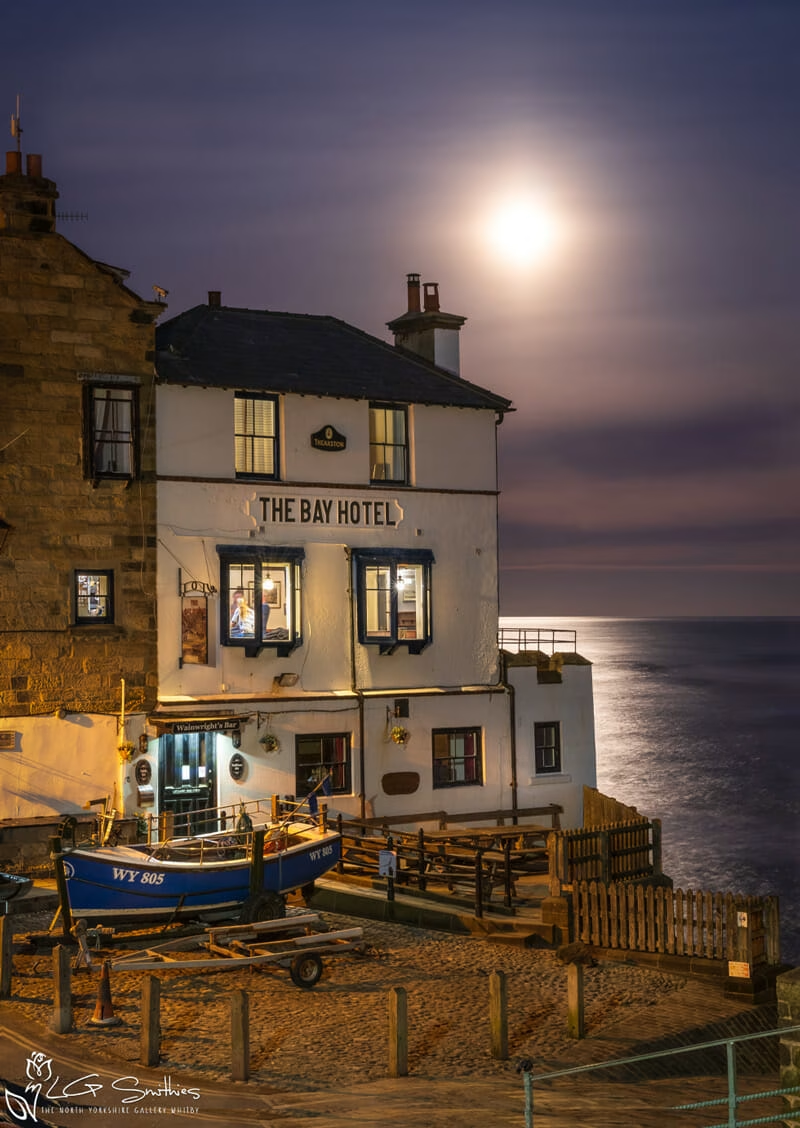
Robin Hood's Bay is another truly remarkable village. This former smuggling village cascades down the hillside towards the sea, creating one of the most iconic views on the Yorkshire coast. Throughout the year I've photographed Robin Hood's Bay at sunrise, sunset, beneath moonlit skies and after heavy snowfall, each visit producing something completely different. The historic dock, Bay Hotel and sweeping beach provide endless photographic opportunities, while the village itself offers a wonderful base for anyone exploring the North York Moors.
Staithes
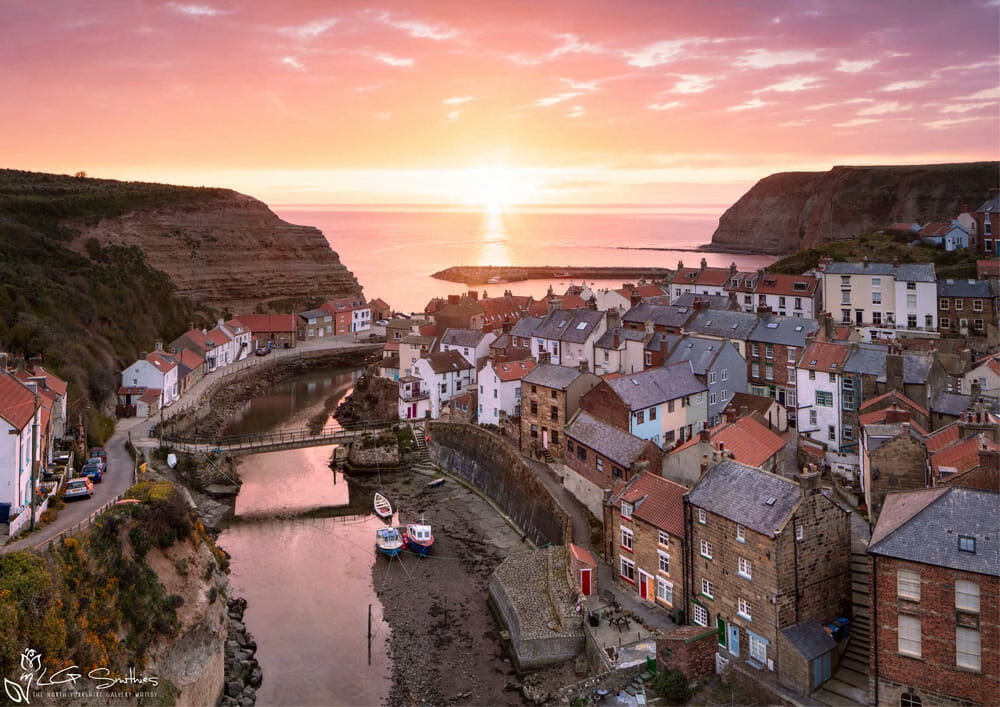
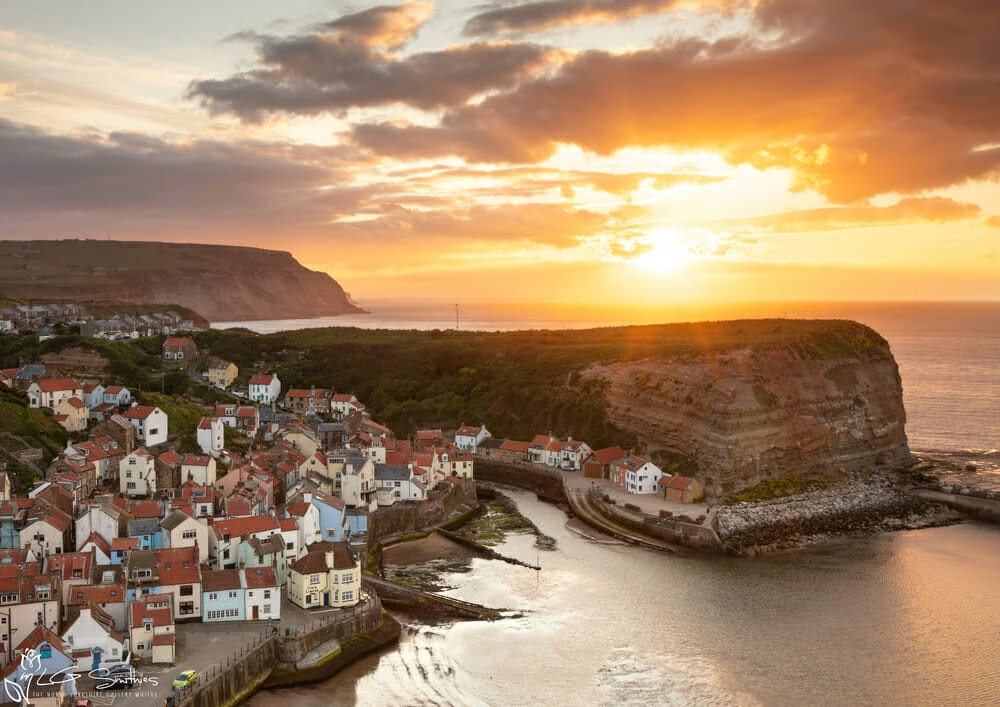
Staithes has always held a special place in my heart. Having lived in the village and with family still living there, it is somewhere I know incredibly well. Around here you'll often hear local people refer to it as "Steers", a traditional local pronunciation that has survived through generations. Once home to the young Captain James Cook, Staithes is full of history and character, with its narrow streets, colourful cottages and picturesque harbour. One of my favourite photographs is taken from Cowbar during spring, when the rising sun sits perfectly between the cliffs beyond the village. Around the summer solstice, the view from the Cleveland Way back towards Staithes offers equally spectacular sunsets, with the evening sun appearing to set beyond the sea.
Runswick Bay
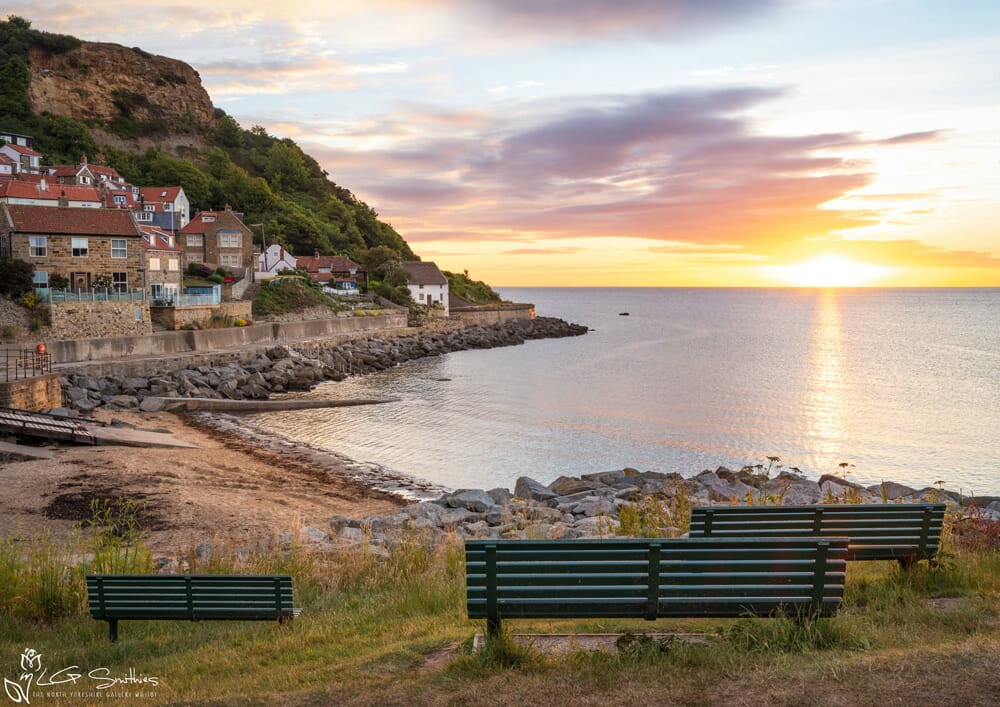
Runswick Bay is another beautiful coastal village that I've been fortunate enough to photograph for many years. Locally, you'll often hear it pronounced "Runzik Bay", with the "W" left silent. Lady Palmer's Cottage, the sweeping sandy beach and the dramatic surrounding cliffs make it one of the North York Moors' finest coastal landscapes. Living nearby has allowed me to capture Runswick Bay beneath colourful sunrises, spectacular sunsets and even displays of the Aurora Borealis.
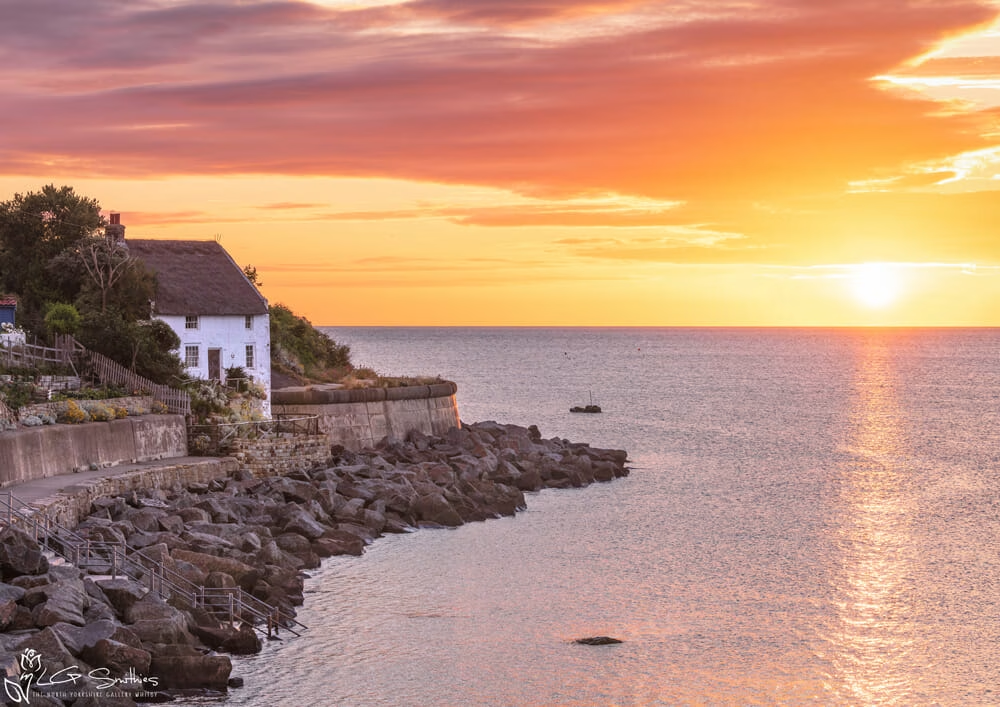
Sandsend
Just a little further along the coast, Sandsend offers a completely different atmosphere. Its wide sandy beach, attractive village and wonderful views back towards Whitby Abbey make it a fantastic place to photograph throughout the year. Whether the sea is calm beneath a colourful sunrise or crashing against the shoreline during a winter storm, Sandsend always provides something different to capture.
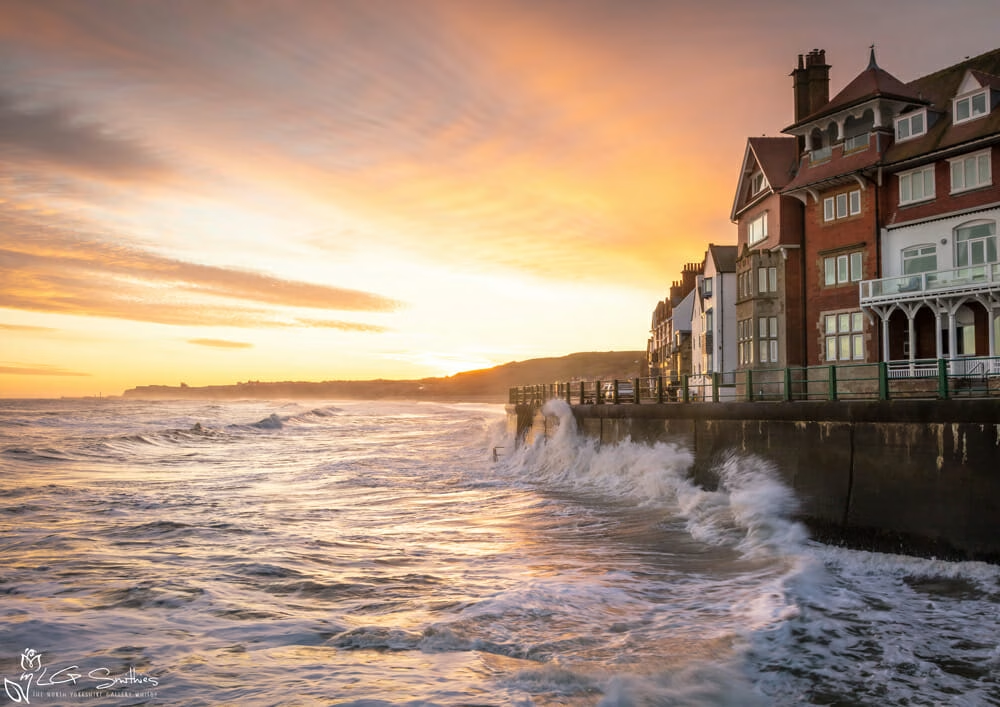
Together, these coastal villages showcase another side of the North York Moors National Park. Combined with the surrounding cliffs, the Cleveland Way and the constantly changing North Sea, they provide some of the finest coastal photography locations anywhere in Britain and are places I never grow tired of returning to with my camera.
Photographing the North Yorkshire Moors Railway
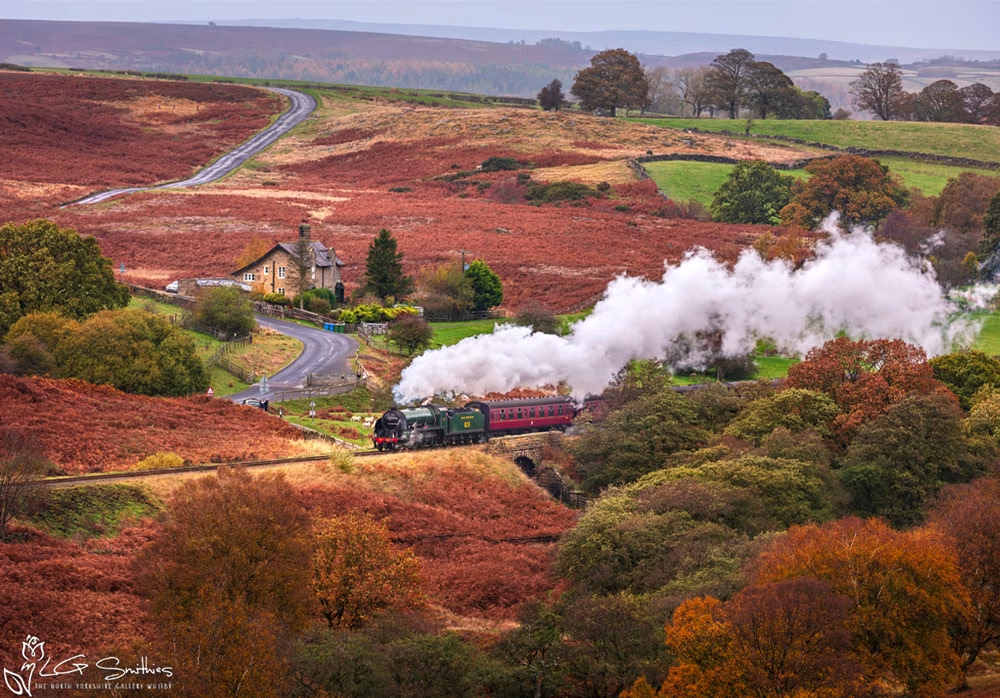
The North Yorkshire Moors Railway is one of the true highlights of the North York Moors National Park and, in my opinion, the finest heritage railway in England. Running through some of Yorkshire's most spectacular scenery, it offers photographers an incredible opportunity to capture beautifully restored steam locomotives travelling through rolling moorland, peaceful valleys and historic stations. It's easy to understand why the railway has featured in productions including the Harry Potter films, Indiana Jones and the much-loved television series Heartbeat

Having lived on the edge of the National Park for most of my life, I've spent many years photographing the railway in every season. One of the proudest moments of my photography career was having several of my North Yorkshire Moors Railway photographs selected for use on the railway's own website. It was a genuine privilege to have my work recognised by one of Britain's most respected heritage railways. Such is the scale of my collection that I've also produced a dedicated North Yorkshire Moors Railway calendar featuring many of my favourite images captured along the line.
Grosmont to Pickering – The Historic Stations
The railway begins at the beautiful station at Grosmont before climbing into the heart of the North York Moors. From there it continues to Goathland, recognised around the world as Hogsmeade Station from the Harry Potter films, before travelling across the spectacular moorland to Levisham Station and finally descending into the historic market town of Pickering.
Each station has its own unique character. Grosmont remains a busy working heritage railway centre, Goathland has become world-famous through film and television, Levisham sits in peaceful moorland surroundings and offers one of the most atmospheric stations on the line, while Pickering provides a beautifully restored terminus that completes the journey through the National Park.


Each station has its own unique character. Grosmont remains a busy working heritage railway centre, Goathland has become world-famous through film and television, Levisham sits in peaceful moorland surroundings and offers one of the most atmospheric stations on the line, while Pickering provides a beautifully restored terminus that completes the journey through the National Park.


My Favourite North Yorkshire Moors Railway Photography Locations
One of the reasons I enjoy photographing the railway so much is the variety of locations available along the route. The open fields and railway cottages just outside Grosmont provide wonderful opportunities to photograph steam trains against the surrounding countryside, while Beck Hole offers one of the railway's most picturesque settings as the line passes through the wooded valley.
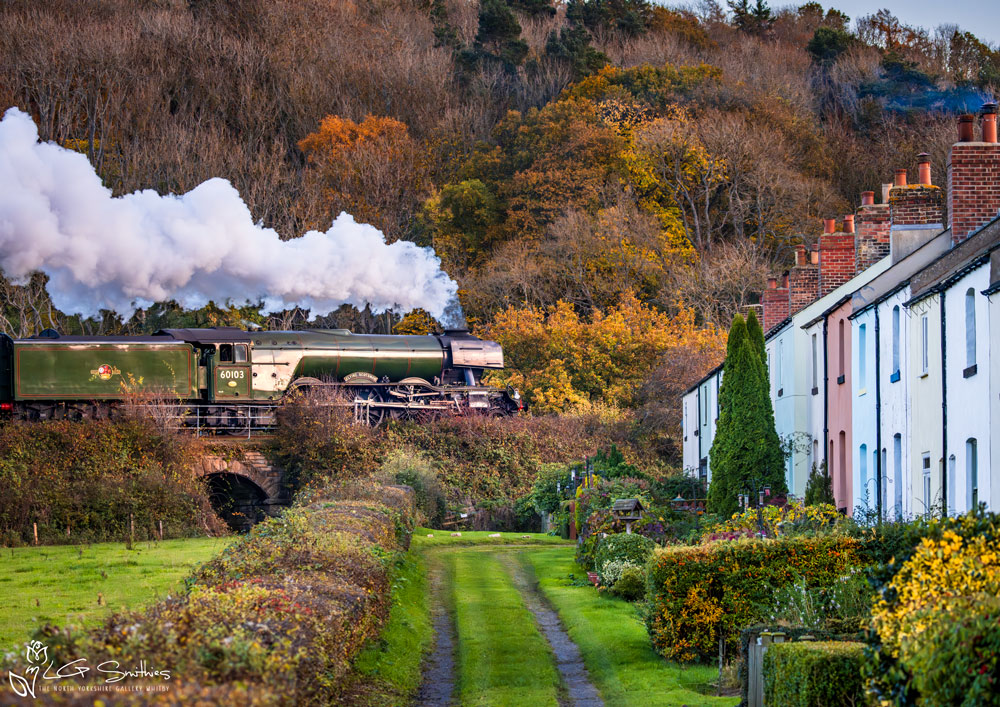

Further along the route, Darnholm and Moorgates provides superb elevated views of trains crossing the open moorland, particularly during late summer when the surrounding heather is in bloom. Around Goathland and Levisham there are countless opportunities to capture trains passing through some of the most beautiful scenery anywhere on Britain's heritage railway network. Every season transforms these locations, from colourful autumn woodland and winter snow to fresh spring greens and purple summer heather.


Visiting Steam Locomotives
Although the North Yorkshire Moors Railway has an impressive home fleet of steam locomotives, one of the biggest attractions each year is the arrival of visiting engines. Over the years I've been fortunate enough to photograph famous locomotives including Sir Nigel Gresley, the Flying Scotsman and Tornado as they travelled through the spectacular North York Moors landscape.

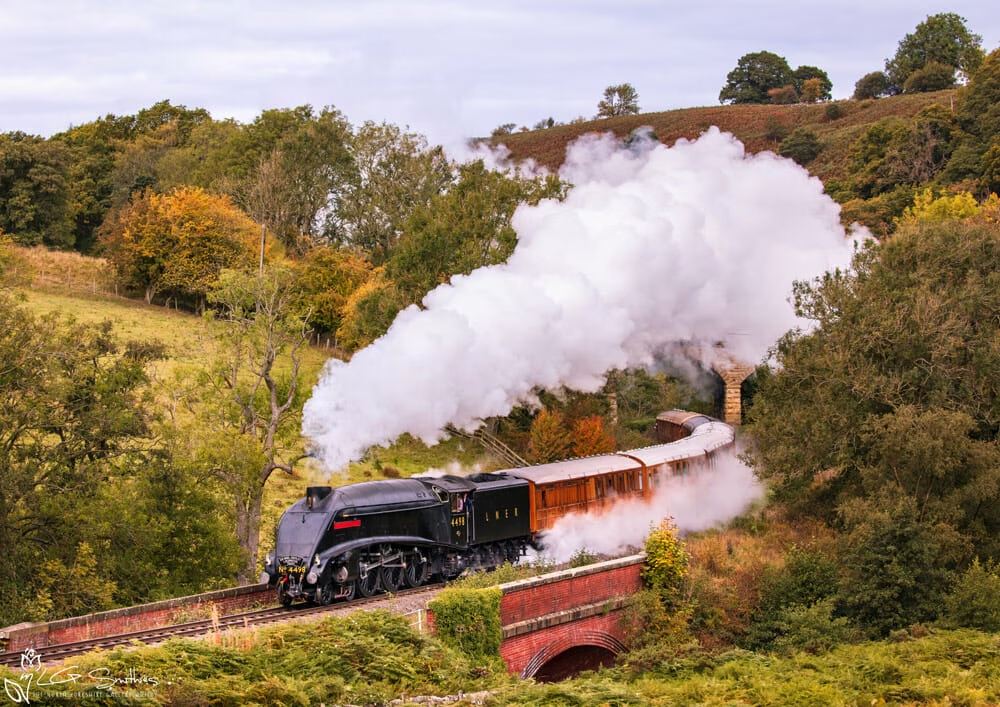
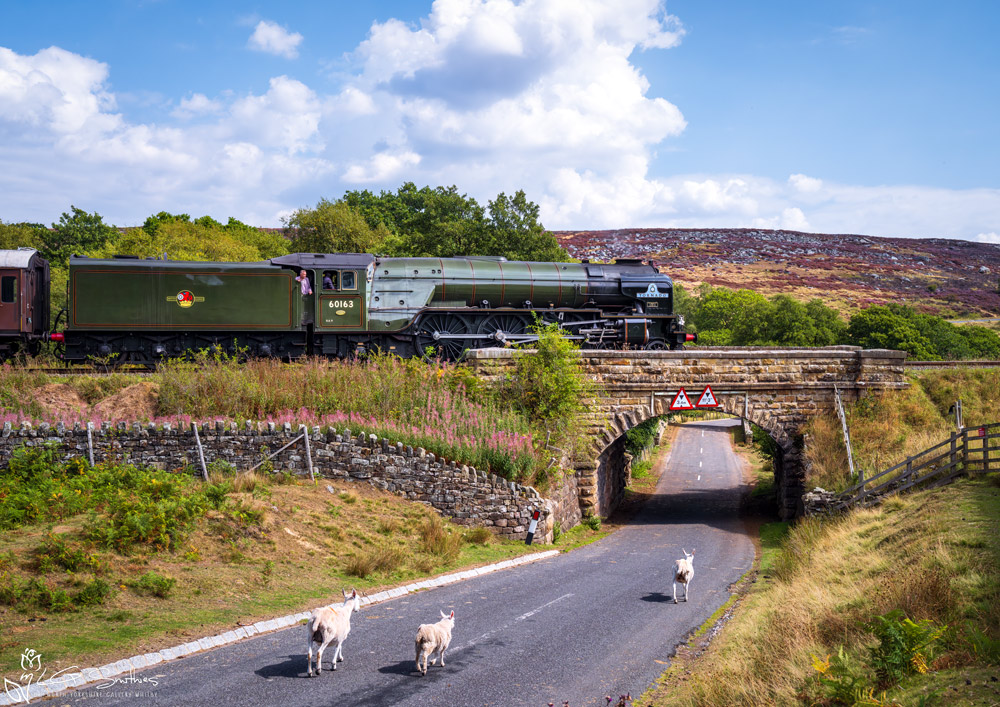
These special events attract railway enthusiasts and photographers from across the country, and for good reason. Seeing some of Britain's most famous steam locomotives working through the National Park is an unforgettable experience, particularly when combined with the dramatic scenery that surrounds the railway.
Planning Your Photography Visit
If you're planning to photograph the North Yorkshire Moors Railway, I would always recommend checking the operating timetable before travelling. Knowing which locomotives are scheduled to run, where they'll be throughout the day and how the light falls at different locations can make a huge difference to your photographs.
It's also worth remembering that many of these magnificent steam locomotives are well over 100 years old. While they are lovingly maintained by the railway's dedicated engineers and volunteers, occasional mechanical issues can lead to last-minute locomotive changes or alterations to the timetable. For that reason, it's always worth checking for any service updates before setting out.

Another important consideration is the weather. During prolonged periods of hot, dry weather, the railway may temporarily replace steam locomotives with diesel locomotives on some services because of the increased risk of lineside fires caused by sparks from steam engines. The North York Moors can become extremely dry during the summer months, and protecting this special landscape always has to come first. Keeping an eye on the weather forecast, the railway's operating updates and any announcements before your visit can help avoid disappointment.
With a little planning and a bit of patience, photographing the North Yorkshire Moors Railway is one of the most rewarding experiences the National Park has to offer. Whether you're hoping to capture a heritage locomotive climbing through purple heather, passing historic stations, crossing open moorland or hauling a train through the beautiful Esk Valley, every visit offers the opportunity to come away with something truly memorable.

This is only a brief introduction to one of Yorkshire's greatest photography subjects. Elsewhere on my website you'll find more detailed guides dedicated to North Yorkshire Moors Railway photography, along with many more images from my collection and information on the best viewpoints throughout the year.
Photographing the North York Moors Waterfalls
The waterfalls of the North York Moors provide some of the National Park's most peaceful and rewarding photography locations. Hidden away in ancient woodland, tucked beneath railway viaducts or flowing towards the Yorkshire coast, each waterfall has its own character and is well worth exploring with a camera. Having photographed many of them over the years, I've found that patience and the right conditions often make far more difference than the camera equipment you're using.

Although the waterfalls are beautiful throughout the year, my favourite time to photograph them is during autumn. As the woodland begins to turn shades of gold, orange and red, the surrounding trees provide a stunning natural frame for the flowing water. Fresh spring greenery also produces beautiful photographs, but autumn remains my favourite season for waterfall photography.
One of the biggest pieces of advice I can offer is to keep an eye on the weather forecast before setting out. Waterfalls almost always look their best after a period of steady rainfall, when the rivers and becks are carrying plenty of water. A waterfall that appears quite gentle during a dry spell can become an impressive cascade after heavy rain.
Lighting is equally important. While bright sunshine can produce beautiful woodland scenes, I generally prefer photographing waterfalls under a bright, overcast sky. The soft, even light makes long exposure photography much easier, reduces harsh shadows and helps preserve detail in both the water and the surrounding woodland. Given the choice, my perfect conditions would be a fresh autumn morning after rainfall with bright cloud cover overhead.
Thomason Foss
One of my favourite waterfalls is Thomason Foss, tucked away between Beck Hole and Goathland beneath the North Yorkshire Moors Railway viaduct. It has always been a special place for me, having spent time here growing up, and today it remains one of my favourite waterfalls to photograph. The woodland setting, dramatic plunge pool and the nearby steam railway combine to create one of the most picturesque locations in the National Park.

Water Ark Foss
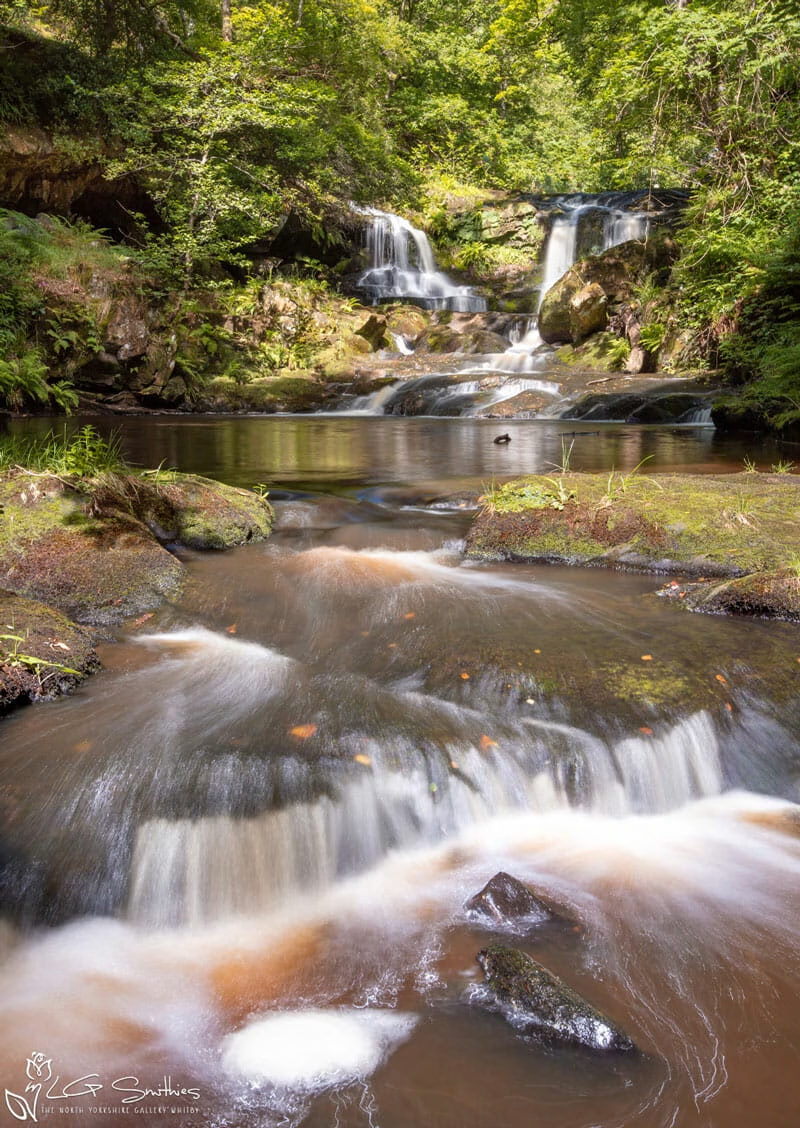
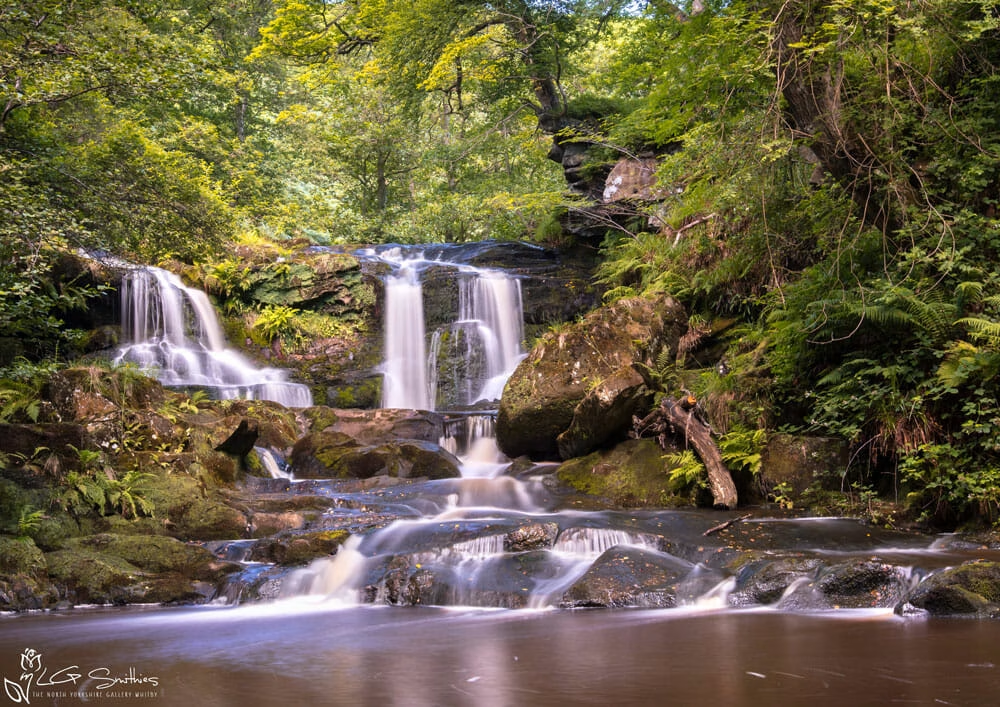
Just a short walk from Thomason Foss lies Water Ark Foss, another beautiful woodland waterfall. A series of attractive cascades tumble, creating a wonderfully peaceful setting. Despite photographing it on numerous occasions over the years, it's one of those places that still challenges me. It's such an impressive waterfall that I always find myself returning, convinced there's still an even better photograph waiting to be captured.
Falling Foss
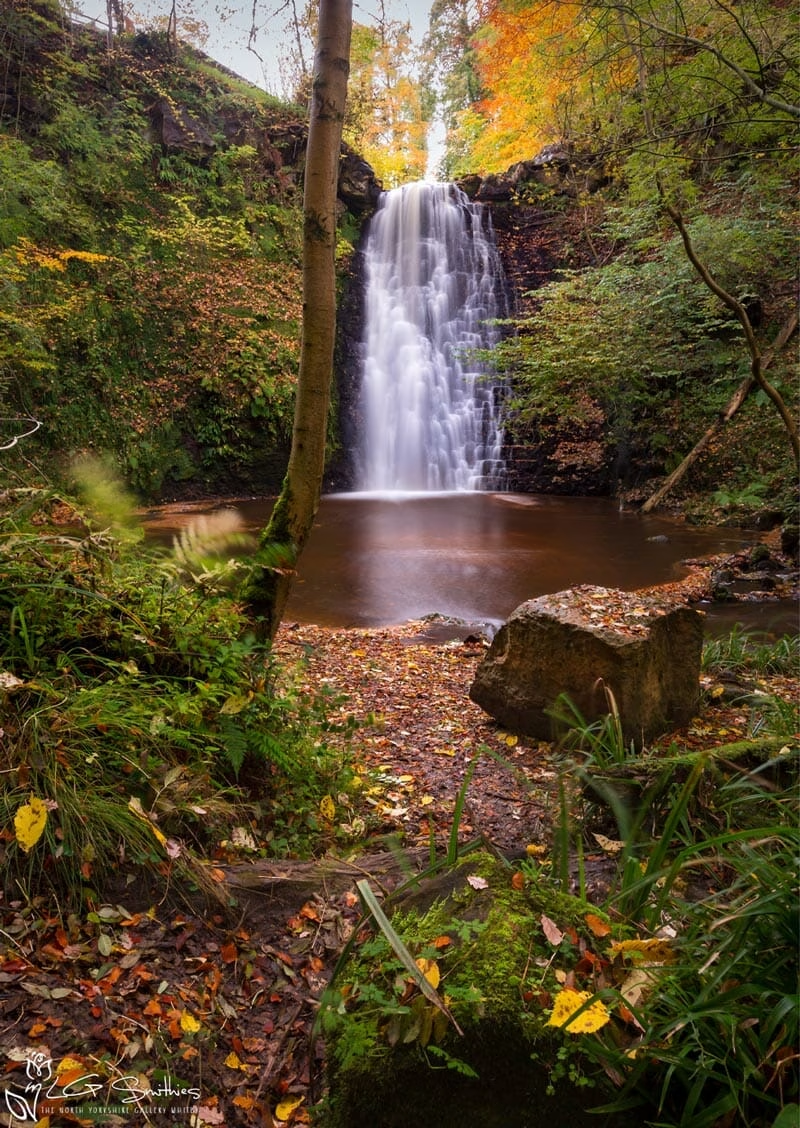
Perhaps the best-known waterfall in the North York Moors, Falling Foss is located within the beautiful woodland of Sneaton Forest, just outside Whitby. Surrounded by ancient trees and walking trails, it is one of the area's most popular beauty spots. The nearby Falling Foss Tea Garden makes it an ideal place to combine photography with a relaxing walk, particularly during the autumn when the woodland is at its most colourful.
Mallyan Spout
Mallyan Spout, near Goathland, is the highest waterfall in the North York Moors National Park and one of its finest natural attractions. Reached by a popular woodland walk from the village, it's a favourite destination for visitors throughout the year. Many people combine the walk with a visit to the nearby hotel, making it one of the most enjoyable day trips within the National Park.

Hayburn Wyke
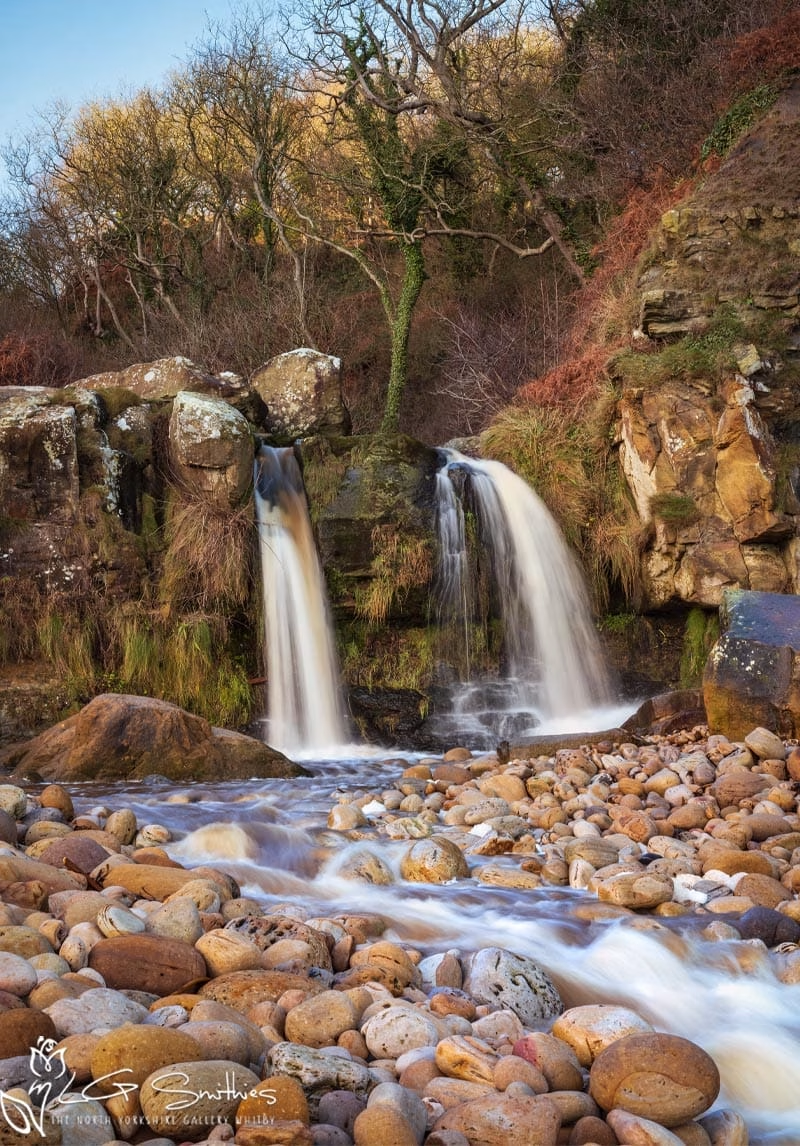
On the southern edge of the North York Moors National Park, Hayburn Wyke offers something completely different. Here the waterfall flows through woodland before spilling directly onto the beach and into the North Sea, creating one of the most unusual waterfall locations in Yorkshire. Whether photographed beneath dramatic storm clouds or during a peaceful summer evening, it remains one of the most distinctive coastal waterfalls in the county.
The waterfalls of the North York Moors are some of my favourite places to return to throughout the year. Their beauty changes with every season, every rainfall and every shift in the light, meaning no two visits are ever quite the same. Elsewhere on my website you'll also find more detailed guides to many of these waterfalls, along with photographs taken over nearly twenty years of exploring this remarkable National Park.
Photographing the Historic Abbeys of the North York Moors
The North York Moors is not only a landscape of dramatic hills, ancient woodland and spectacular coastline, but also a place steeped in history. Scattered across the National Park and its surrounding countryside are some of England's finest medieval abbeys. Their magnificent ruins, fascinating history and breathtaking settings make them some of Yorkshire's most rewarding photography locations.
Whitby Abbey
Towering high above Whitby, Whitby Abbey is undoubtedly the most famous historic landmark in the North York Moors. Standing proudly on the East Cliff overlooking the harbour and North Sea, its dramatic silhouette has inspired visitors for centuries and famously provided the inspiration for Bram Stoker's Dracula.
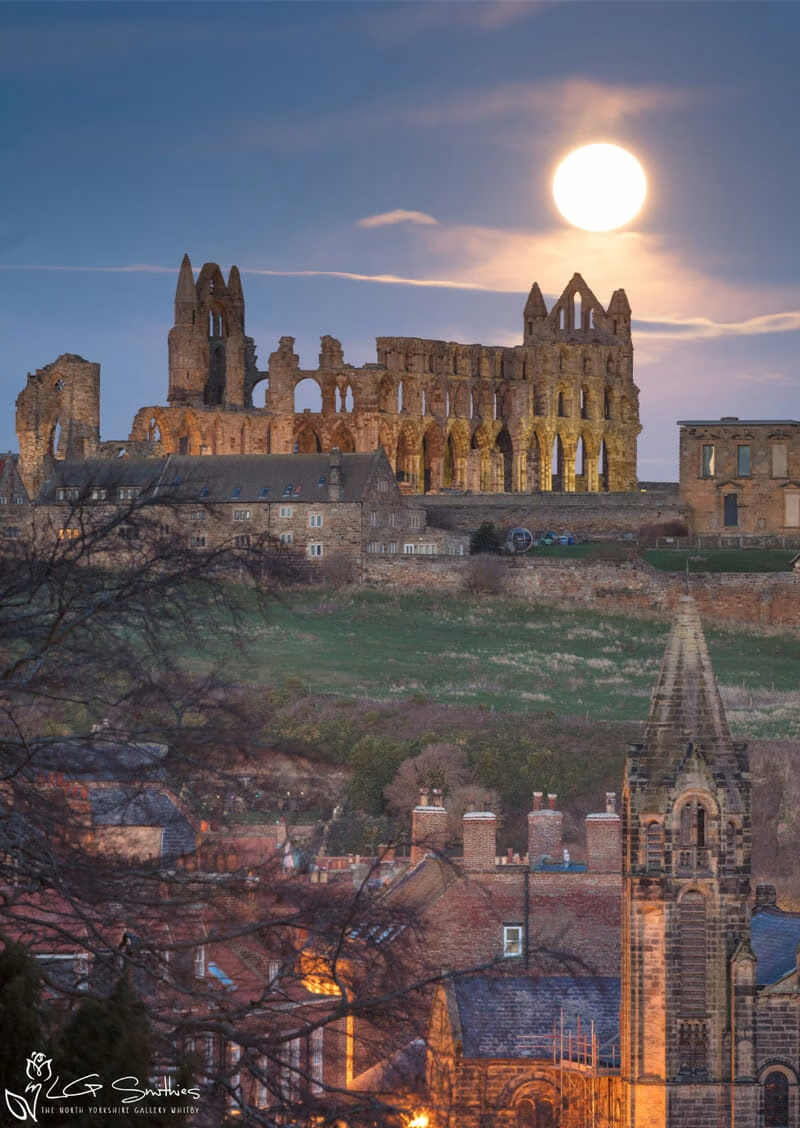
Having our gallery in Whitby means I have the privilege of photographing the abbey throughout the year, and every season offers something different. Whether it's illuminated by the first light of sunrise, standing proudly beneath dramatic storm clouds, glowing against colourful sunsets or surrounded by winter snow, Whitby Abbey never fails to impress. Combined with the famous 199 Steps, St Mary's Church and the historic harbour below, it remains one of Yorkshire's most iconic photography locations.

Rievaulx Abbey
Hidden within the peaceful Rye Valley near Helmsley, Rievaulx Abbey is widely regarded as one of the finest monastic ruins in England. Surrounded by rolling countryside and mature woodland, its tranquil setting makes it a favourite destination for photographers throughout the year.
For me, Rievaulx Abbey is at its most beautiful during autumn, when the surrounding woodland is transformed into shades of gold, orange and red. The elevated viewpoints looking down across the valley provide spectacular opportunities to capture both the abbey and the surrounding North Yorkshire landscape
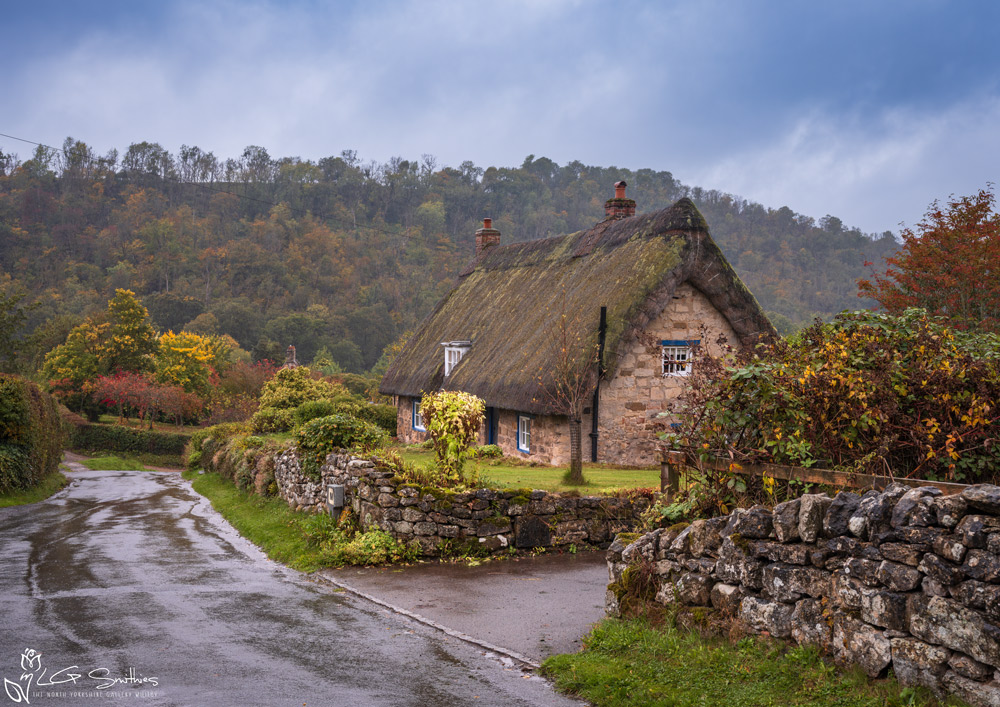
Byland Abbey
A short distance from Rievaulx lies the magnificent ruins of Byland Abbey. Although often quieter than its more famous neighbour, it is every bit as impressive. Its elegant Gothic architecture and peaceful rural setting create a wonderful atmosphere, making it an excellent location for photography.
The open countryside surrounding the abbey allows beautiful views from a variety of angles, while the changing seasons continually transform the character of the landscape. Whether visited beneath a clear blue summer sky or surrounded by autumn colour, Byland Abbey is one of Yorkshire's hidden photographic gems.

The abbeys of the North York Moors are among the most important historic sites in Yorkshire. Together they tell the story of medieval England while providing photographers with some of the county's most spectacular settings. Whether you're interested in history, architecture or landscape photography, these remarkable monuments deserve a place on any visit to the North York Moors.
The Best Time of Year for North York Moors Photography
One of the things I love most about photographing the North York Moors is that there really isn't a bad time to visit. Every season brings its own colours, atmosphere and photographic opportunities, meaning the landscape is constantly changing throughout the year. After nearly twenty years of photographing the National Park, I've come to look forward to each season for completely different reasons.
Spring Photography in the North York Moors
Spring is when the North York Moors begins to come alive again after winter. Fresh green leaves return to the ancient woodland, wildflowers begin to appear and the fields fill with newborn lambs, creating beautiful rural scenes across the National Park. It's also one of my favourite times to photograph sunrises and sunsets, as they occur at much more sociable times of the day than during the height of summer.
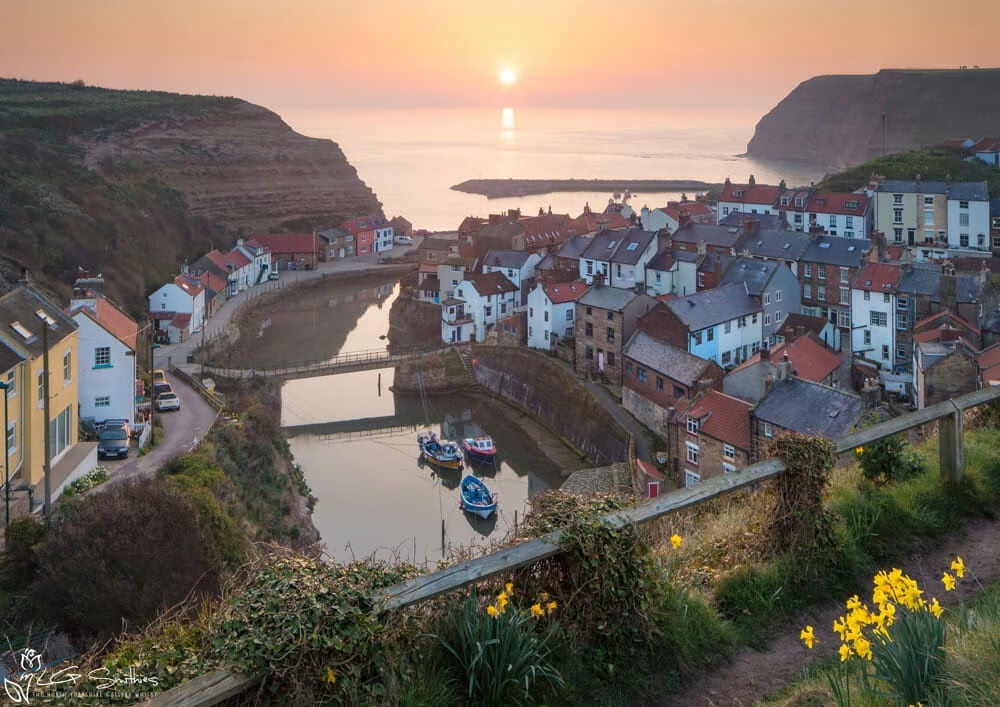
For me, spring is all about bluebells and daffodils. Towards late April and early May, the famous bluebells at Newton Wood beneath Roseberry Topping create one of Yorkshire's most spectacular woodland displays, carpeting the ancient woodland in vibrant blue. At the same time, Farndale becomes world-famous for its breathtaking display of wild daffodils, attracting visitors and photographers from across the country. Around Helmsley, the surrounding countryside also comes alive with beautiful daffodil displays, making spring one of the most colourful and rewarding times to explore the National Park.

Spring is also an excellent time to photograph the North York Moors' waterfalls, which are often flowing strongly after the wetter winter months, while the fresh greens of the woodland provide the perfect backdrop for landscape photography
Summer Photography in the North York Moors
For me, summer belongs to the heather. Usually reaching its peak during August, the North York Moors are transformed into a sea of vibrant purple, creating one of the most spectacular landscapes anywhere in Britain. This is undoubtedly the best time to photograph locations such as Roseberry Topping, Danby, Farndale, Fryupdale, Blakey Ridge and many of the viewpoints overlooking the National Park.
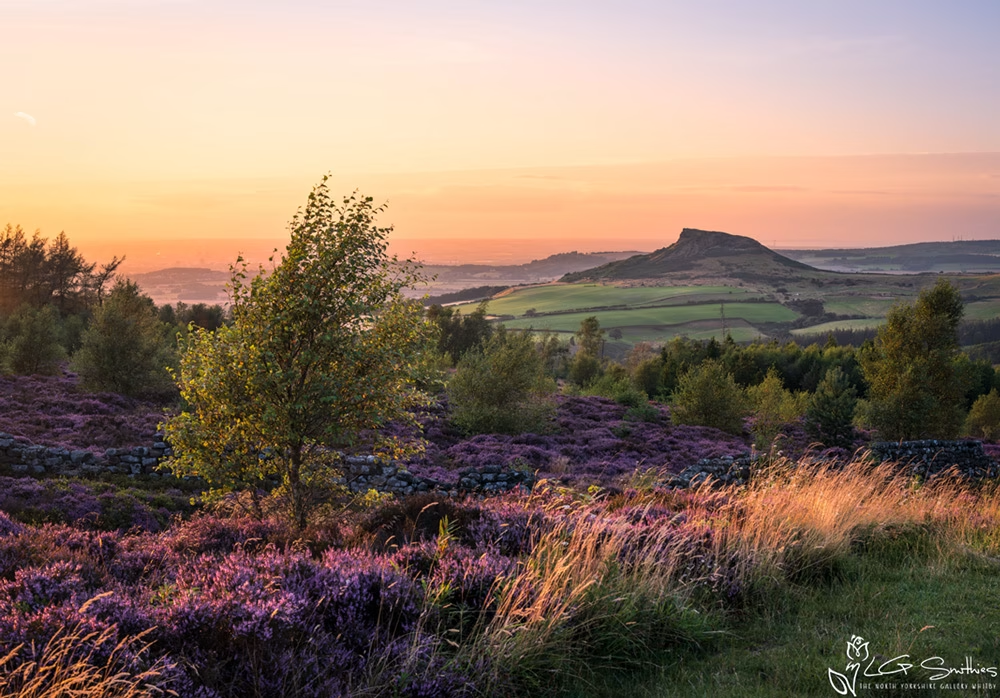
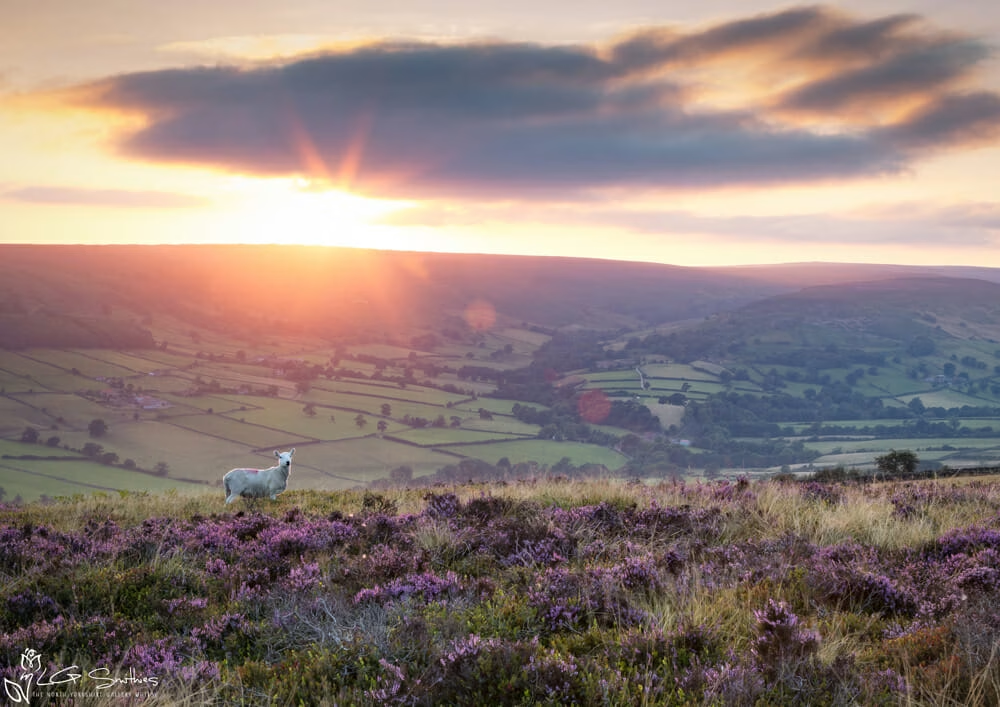
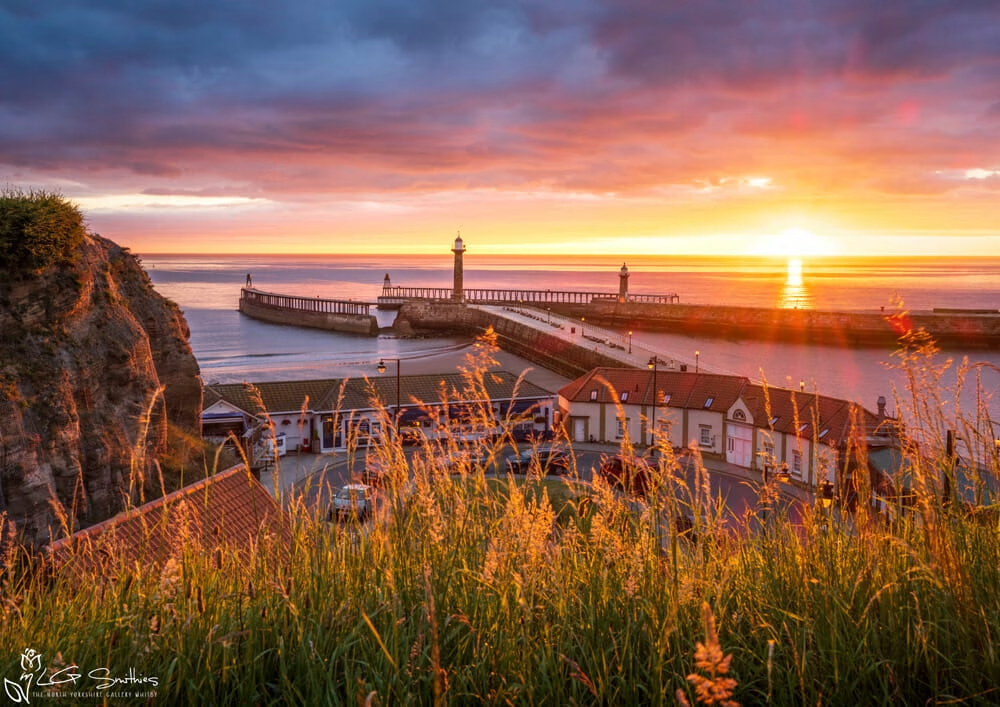
Summer is also a fantastic time to photograph the North Yorkshire Moors Railway as steam trains travel through the flowering heather. Along the coast, the longer evenings produce spectacular sunsets, with places such as Staithes and Whitby appearing to watch the sun sink into the North Sea, while early mornings provide beautiful sunrises across Whitby, Sandsend and Runswick Bay.
Autumn Photography in the North York Moors
Autumn is perhaps my favourite season for woodland photography. The waterfalls of the North York Moors, including Falling Foss, Thomason Foss, Water Ark Foss, Mallyan Spout and Hayburn Wyke, are surrounded by stunning autumn colours, creating perfect conditions for long exposure photography.
.

It's also one of the best times to visit Rievaulx Abbey, when the surrounding valley is transformed by golden woodland. Whitby Abbey Illuminations add another unique photographic opportunity during the autumn, with the historic ruins dramatically lit against the evening sky. Combined with frequent morning mist and softer light, autumn offers some of the most rewarding photography of the entire year.

Winter Photography in the North York Moors
Winter reveals a completely different side of the North York Moors. Thanks to the higher ground across the National Park, snowfall is far more common here than in many surrounding areas, transforming the landscape into a true winter wonderland. Roseberry Topping is particularly spectacular beneath fresh snow, while the surrounding moorland often resembles something from Narnia.

Snow-covered villages, frost-covered woodland, dramatic coastal storms and crisp winter sunrises all provide wonderful photographic opportunities. Although the days are shorter, the low winter sun produces beautiful light throughout much of the day, making it one of the most rewarding seasons for landscape photography if you're prepared to wrap up warm.
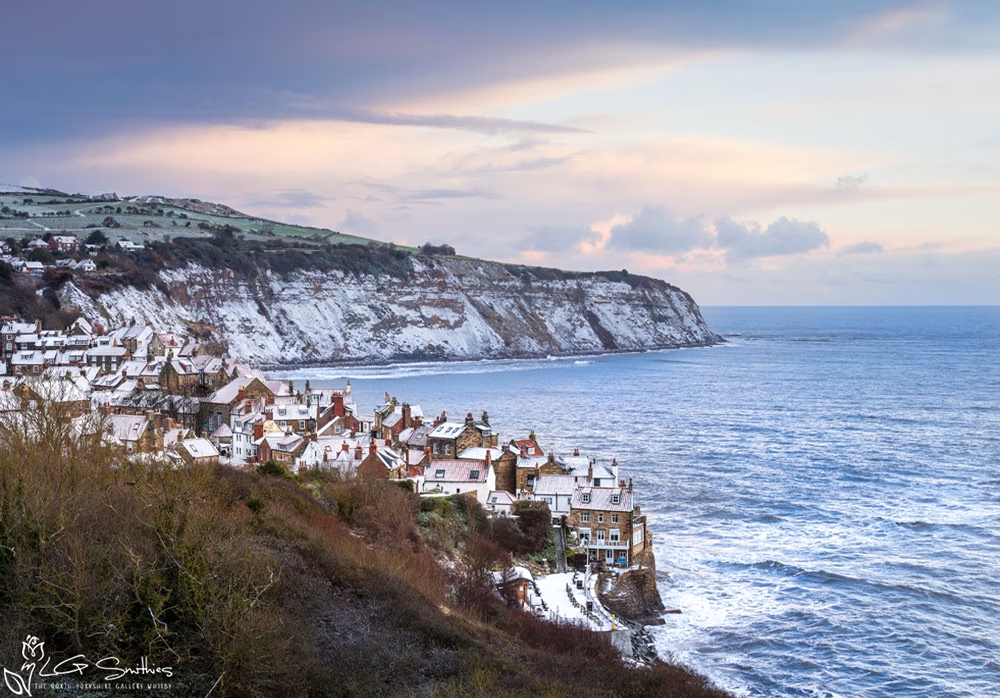
The truth is that there is no single best time to photograph the North York Moors. Every visit offers something different, and that's one of the reasons I never tire of returning. Whether it's spring bluebells and daffodils, summer heather, autumn waterfalls or winter snow, every season reveals another side of this remarkable National Park.
Learn More About My North York Moors Prints
If you've enjoyed discovering the incredible landscapes of the North York Moors throughout this guide, you can learn much more on my dedicated North York Moors Prints page. There you'll find information about the many locations I've photographed over nearly twenty years, from Roseberry Topping and the North Yorkshire Moors Railway to Whitby, Staithes, Robin Hood's Bay, the North York Moors waterfalls and countless other iconic landmarks.
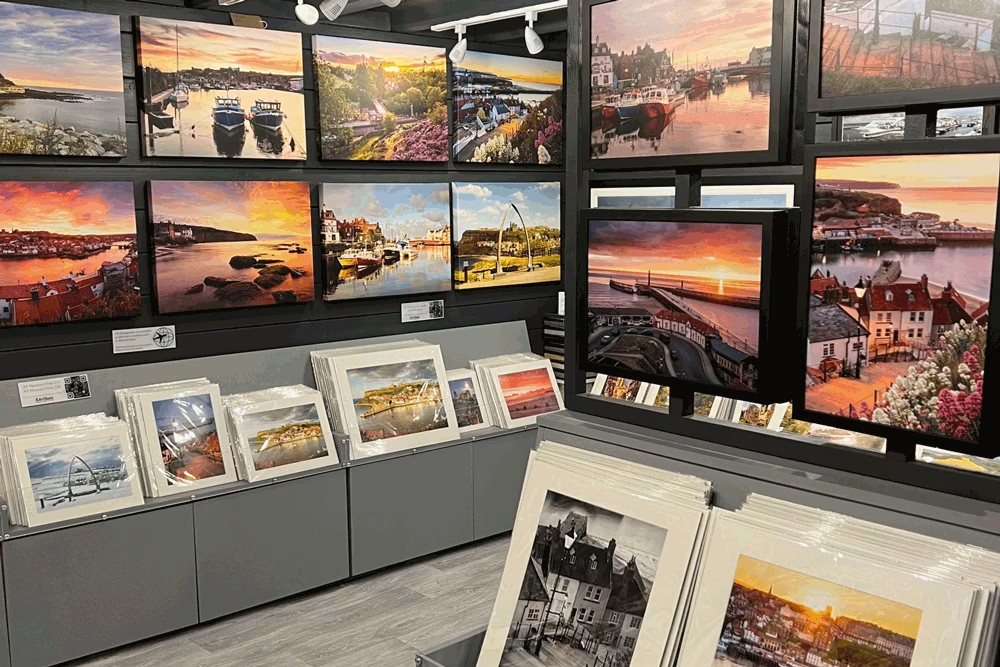
The page also explains the different print options available, including canvas prints, floating framed canvases, framed prints, mounted prints, fine art photo prints, panoramic wall art and a range of unique photographic gifts. If you'd like to learn more about my photography, how my prints are produced and the locations I cover across the National Park, it's the perfect place to continue exploring.
Browse My North York Moors Photography Gallery
Ready to find your favourite photograph? My North York Moors Photography Gallery contains hundreds of images from across the National Park, all available to purchase online.
Browse photographs of Roseberry Topping, Whitby, Staithes, Robin Hood's Bay, Runswick Bay, Sandsend, the North Yorkshire Moors Railway, Danby, Farndale, Fryupdale, the North York Moors waterfalls, historic abbeys, spectacular viewpoints and many more beautiful locations.
Whether you're looking for a statement canvas print, an elegant framed print, a mounted print or a fine art photo print, you'll find a wide choice of images showcasing the North York Moors in every season. Simply browse the gallery, choose your favourite photograph and select the size and finish that's perfect for your home or read more about our North York Moors prints.